Tag: Supplemental Nutrition Assistance Program

  • Revere Veterans Food Pantry sees a rise in need

    Revere Veterans Food Pantry sees a rise in need

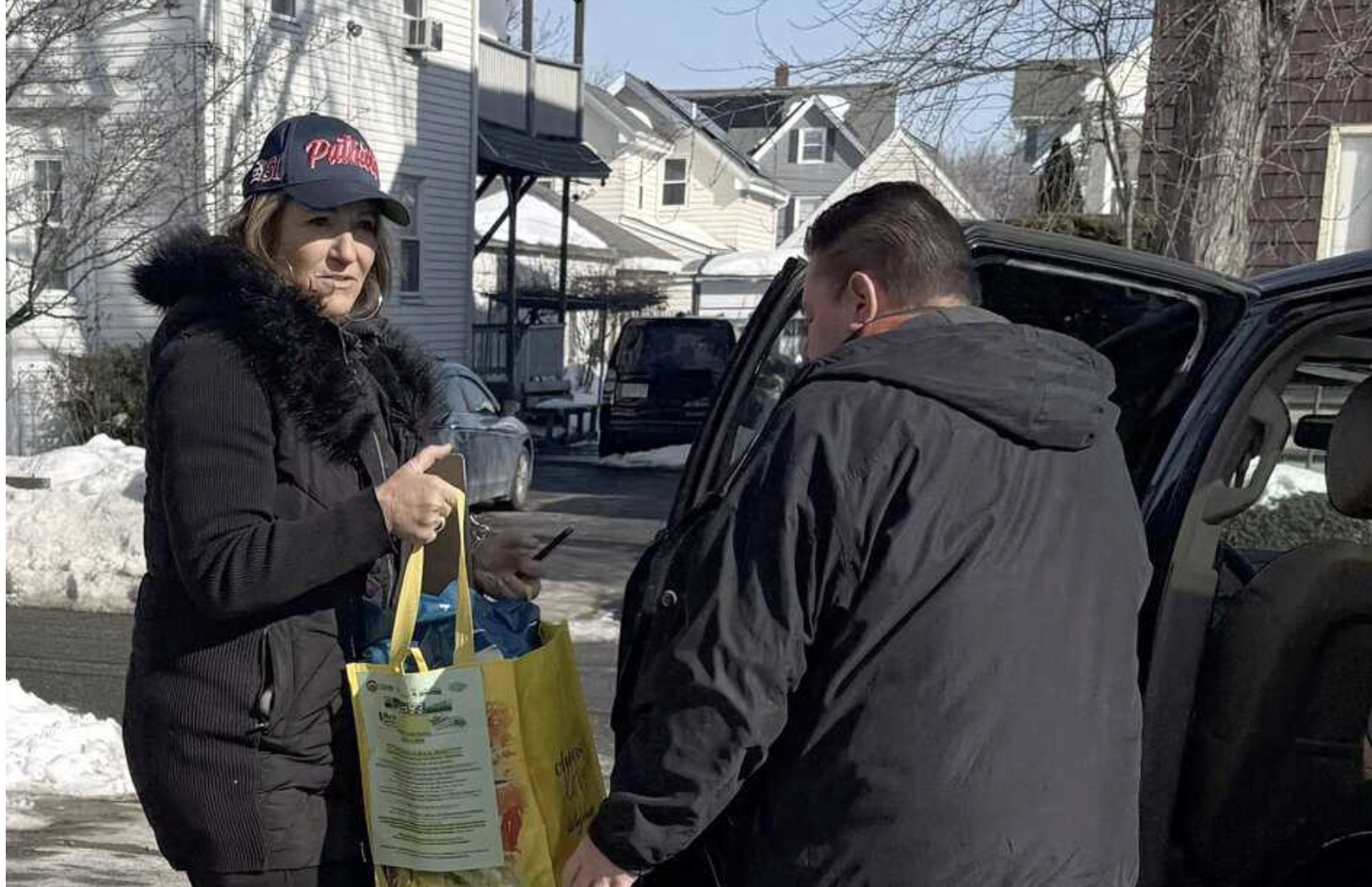
    Every first Wednesday of the month, residents drive to the back of the American Legion building in Revere to receive their share of canned vegetables, pasta, rice and meat from the Veterans Food Pantry. That was no different on a recent day — except a steady incline of need in the line.

    “[The need] has steadily increased in the last couple of months,” said Donna Dreeszen, the pantry’s founder, in an interview. “We have a lot of younger veterans that we typically didn’t have before.”

    Dreeszen started the pantry on an upstairs floor of the American Legion building in 2012 with just 37 clients; today that number is nearly 500, she said.

    Food insecurity among veterans has become a pressing issue since the global pandemic and the government shutdown in the fall. More than 21,000 recipients of the federal Supplemental Nutrition Assistance Program in Massachusetts are veterans, according to the state’s website.

    Dreeszen said she founded the pantry after seeing many veterans struggle with food insecurity. But when the pantry first opened, few people came. She said she worked hard to persuade veterans to take advantage of the service.

    “I would ask the veterans, ‘Why didn’t you come to the food pantry?’ and they were like, ‘I don’t need it,’ even though some did,” said Dreeszen recently as she pored over a spreadsheet of the pantry’s statistics.

    Eventually, she said, the veterans began to come. Danny Hernandez, the pantry’s manager, said he and his staff began using targeted advertising to reach veterans, and the results have led to an increase in the number of people using the pantry.

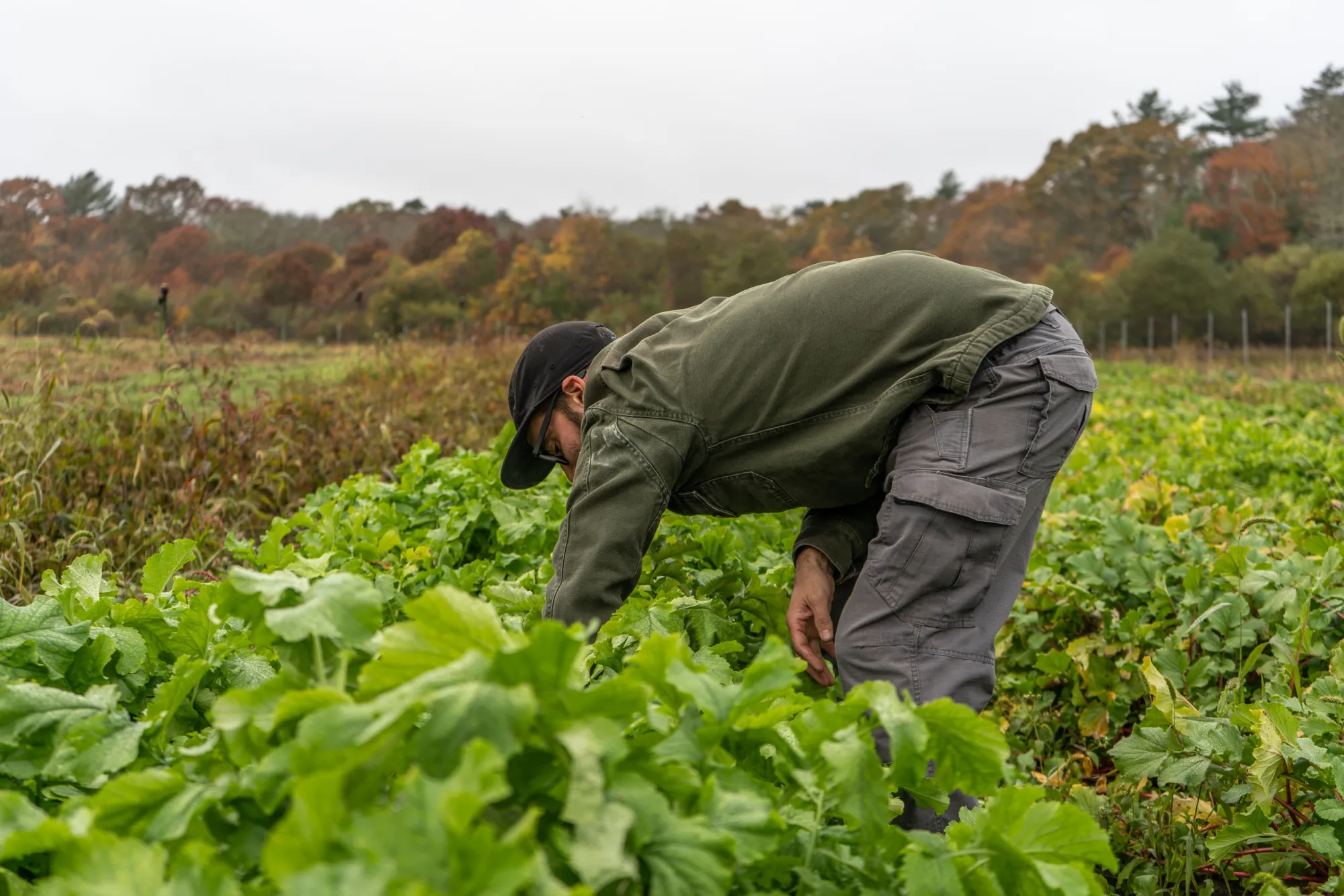
    On the eve of the monthly food pantry, Hernandez, the staff and volunteers start preparing for distribution day. This includes designating specific areas to sort the food. The next day, volunteers arrive early, around 6 a.m., to receive deliveries from The Greater Boston Food Bank and stock large shopping bags provided by Wegmans. The pantry also receives fresh greens and other produce from Olivia’s Organics in Chelsea, said Dreeszen.

    Volunteers say they are driven to help. “It was only natural to be able to volunteer and give back,’’ said Carol Pizziferri, a volunteer for the past 10 years whose father served in World War II.

    She said that when the pantry was upstairs it was challenging for both volunteers and clients to get the bags to their cars. But now, the drive-up system has made things much better, especially for the elderly clients, she added.

    “It’s much easier than waiting for people, especially upstairs,” said Pizziferri. “And so now… basically, [you] come in your car, [we] put the bags in, and they check you off and see you later.”

    William Reedy, a volunteer who is also a veteran, said the pantry does what it can for the people it serves. “We all help one another,” Reedy said. “[If] anybody needs anything, they can always call us.”

  • Four Nonprofits in Neighboring JP Awarded Funding for Food Justice

    Derrel “Slim” Weathers (second from left), host of Award ceremony and creator of Heal the Hood and members on Jan 22. Photo by Enid Eckstein.

    Shown above, Food Justice Hub, Center for Faith Art and Justice, First Baptist Church.

    Four Jamaica Plain nonprofit organizations were awarded $5,000 in total in January in an effort to help end food insecurity in the neighborhood. 

    Heal the Hood, the First Baptist Church’s Centre Food Hub, The South Street Tenant Task Force and The Southern Jamaica Plain Health Center for Food Pantry received a little more than $1,000 each to carry out their food justice efforts.

    The funding originated during the lengthy federal shutdown last October. At that time, representatives from 25 organizations that advocate for food and other social justice issues met to address concerns about the stability of the Supplemental Nutrition Assistance Program for Jamaica Plain residents in need of federal food assistance.

    They distributed over 10,000 flyers featuring a QR code for Jamaica Plain residents to donate to food justice efforts. The advocates decided to split the donations among four food organizations in the neighborhood.

    The additional funds would help the Centre Food Hub’s work supporting more than 300 households. That includes food delivery, staff, and helping to cover the cost for refrigeration systems that keep produce and meat fresh, said the Rev. Ashlee Wiest-Laird, executive director of the church’s food hub.

    “Our philosophy has always been, if you need food and you ask us for food …we will give you food,” said Wiest-Laird in an interview.

    The church has had a long mission to feed those in need in the neighborhood. During the Covid-19 pandemic, it ran a delivery meal and grocery service for people experiencing food insecurity.

    After the pandemic, volunteers continued to serve cooked meals twice a week and opened a low-cost grocery store, which helps fund a food pantry stocked with non-perishable items and fresh produce.

    Derrel “Slim” Weathers, executive director and founder of Heal the Hood — which hosted last month’s award ceremony — said the funding will help pay staff and continue food justice efforts.

    Heal the Hood grows its own herbs, carrots, lettuce and other vegetables in its own backyard garden. It provides food to more than 100 families three times each week – on Mondays, Wednesdays, and Fridays – and has 70 volunteers and roughly 20 people on staff.

    The organization also gets donations from local businesses and community members through the People’s Free Store program. Volunteers from Feed the Hood deliver groceries to families.

    Weathers created the program in 2019 two years after being freed from incarceration. He said he hoped the program would “liberate” his community, rather than “going back into doing moral corrupting” in the neighborhood.

    “[Heal the Hood] is building a new ecosystem to make sure the mechanisms for … people of all races [so they] can have a chance to be respected and treated equally,” Weathers said in an interview.

    A third organization receiving aid is South Street Task Force, which was created in December 2023 and collaborates with the YMCA by providing trucks that deliver free food to residents every two weeks.

    About 40 families rely on these deliveries, officials said.

    Perla Suazo, the organization’s secretary, said that the need for such services has increased in the past few months, as many local families fear venturing outside and being detained by Immigration and Customs Enforcement officers.

    Sauzo said the organization plans to use the additional funding to purchase online grocery gift cards for those immigrant families.

    “Families need support right now because most of the families stopped working, they’re afraid to go outside [and] they don’t have food,” Suazo said. 

    The fourth awardee, Southern Jamaica Plain Community Health Center, said it will use its $1,000 to buy gift cards, reusable bags and help offset cost for transportation for families, said Evelyn Gallego, a senior program coordinator.

    The center operates twice a week through a bodega-style market open to patients of the center on Mondays and the whole community on Fridays.

    “We have to stay in community and connect with each other, not just… physically, mentally, but also …with your heart,” Gallego said.